
Everything you need to know about your program
Welcome to your Start Me Up handbook
This is everything you need to know about Bali and your program
Handbook Contents
Introduction
We’re so glad you’ve chosen to share this adventure with us.
We think you’re going to like it.
From Our Founder, Clare
I’ve traveled the world looking for another Bali and not found it. It really is home to a unique mix of people, talent, culture, nature and geography.
Bali was recently voted the top holiday destination by TripAdvisor users. Not only is it becoming one of the hottest tourist destinations in the world but it’s becoming a bona fide work destination as increasing numbers of startups and established companies run company retreats and remote companies out of co-living and co-working spaces here.
There are also lots of people staying longer than the average holidaymaker. They are often referred to as ‘digital nomads’, remote workers or ‘location independent entrepreneurs’. And they earn their living in a variety of ways: from e-commerce businesses to blogging, consulting and remote web development.
I’ve also met doctors working remotely for patients thousands of miles away, tech startup founders, traders and lawyers: People from pretty much every walk of life.
This way of working is still relatively new. We would have struggled to have had our Skype chats here even seven years ago. Outside the walls of the island’s one co-working space back then, the internet was painfully slow.
Bali’s First Co-working Space
Hubud, Bali’s first co-working space solved that problem for many people. A freelance web developer from the US who was living in Ubud helped them set up two dedicated fiber-optic lines with a generator that kicked in after power cuts. In a corner of the world where the internet connections were shaky, Hubud provided somewhere we could all run our businesses.
These early co-working spaces were solving a problem for the ex-pat community of mainly NGO workers and freelance writers who were already living in Bali. But they also had another unintended consequence. They provided a way for a new emerging generation of jet-set online business owners to run their businesses remotely.
At that time, I was running my freelance ghostwriting and editing business. I’d frequently have calls with chief executives of large companies based in London, New York or Geneva. They had no idea where I was based. As far as they were concerned, I was still in London.
So I’d join in with the London-based ones as they moaned about the tube and the weather, while I was sat by a swimming pool eight degrees south of the equator.
The Rise of Remote Work
A lot has happened since then. Remote work is gaining acceptance. Remote jobs are on the rise. Companies are increasingly deciding to structure themselves in this way to compete for the best global talent, benefit from a more engaged workforce, save money on office rental and be functioning across multiple timezones.
Start Me Up is also geographically dispersed. Our team members are based in Bristol and London in England, Ubud and Canggu in Indonesia and Davao City in The Philippines and we have a registered office in London and Singapore.
Things have changed so much since I first arrived here. When I got here in Bali there was just one co-working space. Now there are more than 14.
Growing Interest
And there have been a lot of news stories about us. Journalists wanted to write about this novel workplace trend and so did opportunistic academics. I was interviewed by a husband and wife team of sociology professors from the US who quoted me liberally in their book proposal.
Other teams of academics set themselves up in Hubud where they carried out ethnographic studies to monitor the frequency of interactions between members. Were these nomadic entrepreneurs and freelancers on to something? Would millions of people work in this way in the future?
The Future of Work
In an economy that increasingly prizes people’s ability to collaborate, co-working spaces allow people from different specialisms to share ideas and learn. This has partly fuelled their growth in recent years. In 2006 there were just 30 co-working spaces in the world. Now there are over 14,000.
Co-working spaces in Bali offer collaboration on steroids because pretty much everyone here is from somewhere else. Like you, many come to Bali alone and so are open to connecting, sharing knowledge and making friends.
What We Offer
I want you to experience all the best of what Bali has to offer during your time on this program. So you’ll get to work out of all the island’s best spaces.
Alongside our own training and workshops you’ll get to attend several events a week at the co-working spaces. I really recommend you check them out. One of the best educations I got in business, was attending all of the speaker events at the spaces here. Listening to the experiences of others helped me fill in the numerous gaps in my knowledge and helped me develop a broader skill-set.
I created this program because it’s something I wish I’d had at your age. After spending time here, I came to the conclusion that being part of a community of other people doing bold things was one of the best ways to stay accountable, inspired, ambitious, and on track.
Friends in high places
When I first met my friend Pieter Levels in Hubud six years ago he showed me a spreadsheet he was working on that would rank cities according to various metrics like the cost of living and air quality, called NomadList. The list soon went viral and it wasn’t long before he was in the New York Times. Pieter is now regularly quoted in the tech press and has over 60K followers on Twitter (and a bunch of successful businesses).
Like many of us in Bali, he did it all while traveling throughout Asia without swanky offices or VC funding.
I’ve bought you all Pieter’s book on building bootstrapped startups because I practice a lot of what he preaches. And also because his story was so interesting. A twenty something from the Netherlands building and launching tech startups from cafes and co-working spaces in Asia would not have been possible in days gone by.
Hopefully during this program you will get exposed to more possibilities. It will fill in some of the gaps left by your university education — as it did for me.
Where did this idea come from?
As the workplace evolves increasingly rapidly, traditional universities are having a hard time keeping up with what is required in terms of developing skill sets.
I felt this strongly after attending an event hosted by The Economist at Oxford University last year on the Future of Work. While there it became very apparent that the university wasn’t doing anything different in terms of career education than it was during my time there.
According to a research paper produced by The Economist Intelligence Unit, the research arm of the Economist, the most prized skills in the Future Of Work will be:
- Interdisciplinary skills
- Creative and analytical skills
- Leadership skills
- Digital and technical skills
- Entrepreneurial skills
- Global awareness and civic education
This is why we focus on entrepreneurial, digital and technical skills in an international setting. We also hope you’ll be inspired to try new areas and disciplines that perhaps you hadn’t previously thought of.
Our programs are interdisciplinary and practical. We want you to flex your creative and analytical muscles and developing your digital and technical skills during your time with us.
We want you to develop on multiple fronts. Hopefully by the end you’ll have developed a mindset this is more entrepreneurial (regardless of whether you plan to ever have your own business).
Pretty much everyone agrees having an entrepreneurial mindset will help you in life. Big corporations know they need to get better at innovating. And those with an entrepreneurial approach can help with that.
As entrepreneur and investor Peter Thiel (mentioned in reading lists further on) says:
‘Unless they invest in the difficult task of creating new things, companies will fail in the future no matter how big their profits remain today.’
We’ve structured our curricula to support you with the work you do on the program. And we’ve tried to make it broad enough to be interesting to any student.
The growth of co-working
In the old days you worked in an office. Often in a cubicle. Generally this style of working is becoming increasingly dated with many startups and creatives favoring coworking spaces.
To retain top talent, companies are focusing on creating open and dynamic workspaces that promote innovation.
And it’s not just startups, massive companies are also embracing them. In New York, for example, Microsoft recently shut its entire office and decamped them to a coworking space.
The great thing about these spaces is that they get rid of the rigid silos that exist in many offices. They foster innovation amongst people with different backgrounds and skill-sets.
We run a program that offers remote internships so we also offer training in how to do that effectively.
About Us
Start Me Up is an education startup that combines in demand skills learning with adventurous travel. Over 200 people have taken part in our program in four different countries (Bali, Australia, Mexico and Spain).
My time running my business in Asia helped me refine my skills and outlook and completely changed my attitude towards lifelong skills development and careers. And I thought the experience would be beneficial to more people – especially young people.
At university, I always felt I was given poor information about careers and found little inspiration about interesting career paths. I’m alarmed to be visiting university campuses over ten years later to be finding the same things.
Where are we? We tend to focus on emerging hubs, as opposed to big cities. Why? Because we can. More and more people are working remotely these days and there’s been a proliferation of co-working spaces in off-the-beaten-track locations. And we think more people will work this way in the future.
A bit about me…
A former business journalist. I graduated in PPE from Oxford in 2006. After deciding what I didn’t want to do with my life, I opted to be a financial journalist and worked in London and New York. During that time I also did stints for the business sections of The Times and The Telegraph in London. Once I landed my ‘dream job’, I realized that I didn’t like it very much. Entering an industry that was being squeezed wasn’t a fun experience. Later I switched to consulting and ghostwriting for everyone from Fortune 100 clients to startups looking to get featured in Forbes.

Clare Harrison
Founder, Start Me Up
All About Indonesia
Bali is one tiny island of around 18,000 in Indonesia. This largely untapped archipelago is vast. The distance from its furthest eastern to its furthest western tip is the distance from London to Tehran. Read Indonesia Etc (mentioned in recommended reads) for a great overview of this amazing country.
Indonesia is also the third largest democracy in the world and the largest Muslim country on the planet. It is home to incredibly diverse people, culture, terrain and wildlife and has a population of around 260 million people.
Indonesia is the 90th least corrupt nation out of 175 countries, according to the 2016 Corruption Perceptions Index reported by Transparency International. It also has vast disparities in affluence. Around 30 million people in Indonesia live on around $1 day.
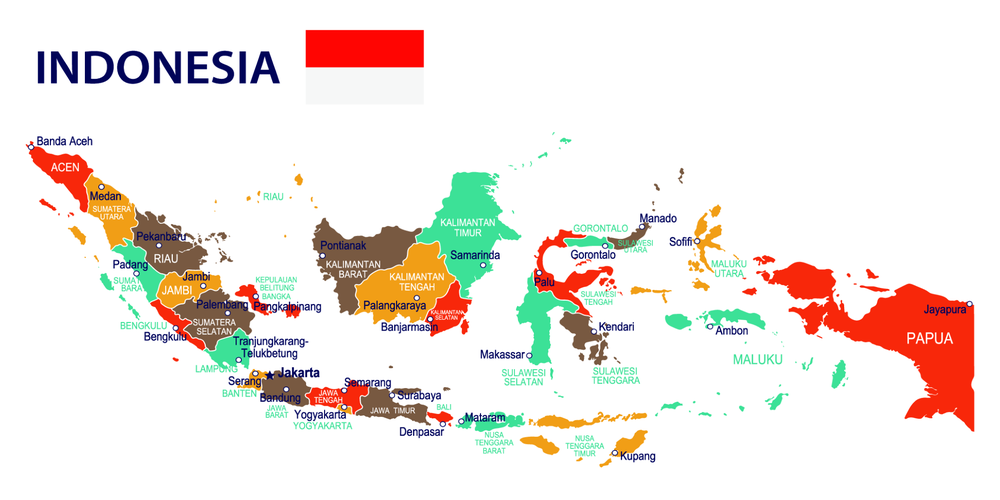
Intro to Bali
Bali is the most famous island in Indonesia. It has a population of about 4 million and as many as that come to visit every year. Twenty years ago most of the roads you see today were dirt roads, there were no cars or tourist buses.
Today Bali is a huge global holiday destination for tourists from every corner of the world. From North America, to China, Bali has become an iconic destination for sun seekers and culture vultures everywhere.
Bali is really not very big. But it takes a disproportionately long time to travel anywhere, owing to its somewhat chaotic road infrastructure.
Famed for its rice paddy fields, Bali is home to volcanoes in the north and beaches with dark volcanic sand. Uluwatu in the southern tip of the island is home to the whitest sand and clearest water. Nearby islands like Nusa Lembongan also provide picture postcard views and world-class snorkeling.
It has a mountainous north including two volcanoes. Mount Agung is Bali’s highest volcano at over 3,000 meters, followed by Mount Batur.
The Balinese are a unique mix of culture, religion and history. A lone Hindu island in the biggest Muslim country in the world, it looks, smells and runs nothing like any other island in Indonesia.

Cultural Sensitivity
The Balinese are renowned for being some of the kindest and warmest people on the planet. They are lovely people. But please be sensitive to their culture while visiting.
90 percent of the Balinese are hindus and traditional ceremonies are a big part of life here in Bali.
You will often see ceremonies happening, especially in Ubud. Balinese hindus have lots of superstitious beliefs and leave offerings for the gods every day.
Balinese often remove their shoes inside the home. This rule is also adhered to at virtually all the co-working spaces where Start Me Up operates.
Women in Bali
Unfortunately as with so many parts of the world, there are occasional incidences of sexual assaults.
Do not walk alone at night. Do not walk in unlit areas. Take taxis and cover up at night.
LGBTQ in Bali
Bali is a popular spot for LGBT travellers owing to the many ways it caters to a rainbow of visitors.
There is a large gay and lesbian expat community and many own businesses that – if not gay-specific – are very gay-friendly.
In south Bali and Ubud, couples have few concerns, beyond remembering that the Balinese are quite modest. But there’s no part of Bali any LGBT person should avoid.
Having said that, gay travellers in Bail (and Indonesia) should follow the same precautions as straight travellers and avoid public displays of affection. As the nation becomes more religiously conservative, any form of closeness between people of the same sex may be unwise.
- Gay men in Indonesia are referred to as homo or gay; lesbians are lesbi.
- Indonesia’s community of transvestite and transsexual waria – from the words wanita (woman) and pria (man) – has always had a very public profile.
- Some Islamic groups denounce homosexuality, but physical harassment is uncommon.
- GAYa Nusantara (www.gayanusantara.or.id) has a very useful website that covers local LGBT issues.
- Bali’s gay organization is Gaya Dewata (www.gayadewata.com).

Offerings
You see all those colorful offerings to the gods that the Balinese make every day? They will often be at the top of steps or outside the entrance to your accommodation. Please keep an eye out for them and try not to step on them or kick them over.
General Advice
- Do not touch the head of a Balinese person, not even a child – it’s considered a sacred part of the body.
- If you are on your period you aren’t meant to enter a temple. But to my knowledge, no one has ever checked.
- Lefties beware: in both Hindu and Muslim culture use of the left hand is frowned upon. It’s considered “unclean” so try to remember to use your right hand whenever you’re touching someone, giving or receiving something, eating or pointing.
- While we’re on the point of pointing: don’t do it at people. Using a forefinger to point at someone is considered rude – if you must gesture, use the open palm or thumb of your right hand.
- The Balinese are smiley people; reciprocate.
- You’ll get much further in Bali by staying calm and even-tempered; being aggressive in public is both rude and embarrassing.
Important dates
Hari Raya Galungan – Galungan is a Balinese holiday celebrating the victory of dharma over adharma. It marks the time when the ancestral spirits visit the Earth. The last day of the celebration is Kuningan, when they return. The date is calculated according to the 210-day Balinese calendar.
Hari Raya Kuningan – The last day of the celebration is Kuningan, when they return. The date is calculated according to the 210-day Balinese calendar.
Nyepi – The whole island of Bali is plunged into silence for Nyepi. Nyepi is a Balinese “Day of Silence” that is commemorated every Isakawarsa according to the Balinese calendar. It is a Hindu celebration mainly celebrated in Bali, Indonesia. Nyepi, a public holiday in Indonesia, is a day of silence, fasting and meditation for the Balinese. On this day you cannot leave your accommodation and must stay home and read.
About Bali’s Startup Scene
This community may be relatively new, but it’s already made waves around the world. From The Guardian to the BBC and CNN, global media have arrived in their droves to cover this workplace phenomenon.
The entrepreneurial community you are going to experience has been studied by Harvard academics and documented by filmmakers.
It has been heralded by some as the workplace of the future. Hubud, Bali’s first coworking space, has drawn members from over 70 countries.

About Canggu
Five years ago Canggu was rice paddies and simple local restaurants. Now it draws supermodels and YouTube celebrities to play, work and see and be seen in its cafes, bars and restaurants. Here’s what Condé Nast Traveller has to say about Canggu:
“There is a perfect marriage which makes Canggu irresistible – a sort of yin-yang combination of Tulum’s yoga and green-juice bars, the arty aesthetic and galleries of Paraty, Costa Rica’s surf scene and the party friskiness of Mykonos. How has a sleepy village with a few homestays,
some warungs (Indonesian roadside cafés) and a handful of hideaway hotels such as the Tugu morphed into Bali’s version of Brooklyn-on-Sea?”
About Ubud
When I came to Bali in 2003 Ubud was largely rice paddy fields, now it’s home to about 400 restaurants and countless yoga studios. A book called Eat Pray Love was largely responsible for the tourist invasion you now see today. The memoir, about an American writer’s recovery from divorce in Italy, India and Ubud sold 9 million copies and the film version of the book starred Julia Roberts.
Ubud draws visitors from all over the world. A listers from Barack Obama to Paris Hilton to famous entrepreneurs, big shot private equity financiers, poets, Olympic champions and Grammy Award winners – the world comes to visit Bali.

Co-Working Spaces
We operate out of some of the best co-working spaces in the world
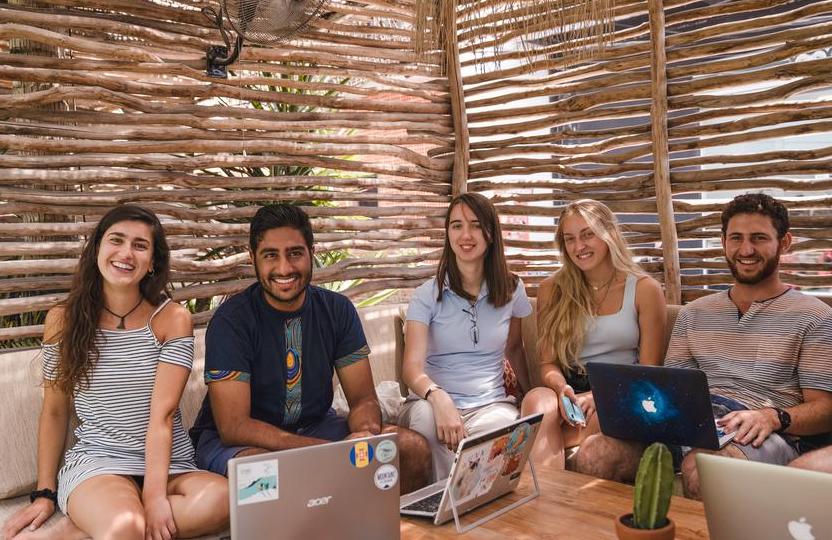


Tropical Nomad
A bright airy ex-art gallery in Canggu. This is an awesome space where the established entrepreneurs and techies of Canggu base themselves. There are regular events and an incredible network for you to benefit from.
Dojo
Achingly hip Dojo is just a two minute walk from Canggu’s Echo beach. Its close proximity to the beach means the place is stuffed full of surfers. They have a great series of events and the Australian owner also does a lively bbq once a month.
Hubud
Hubud is Bali’s first coworking space. It is 400 square meters of rustic bamboo with reclaimed Ulin (iron-wood) flooring. In the outside working area, there’s a view onto a ricefield and a mountain (and powerpoints), so you can work on your laptop in between admiring the view.
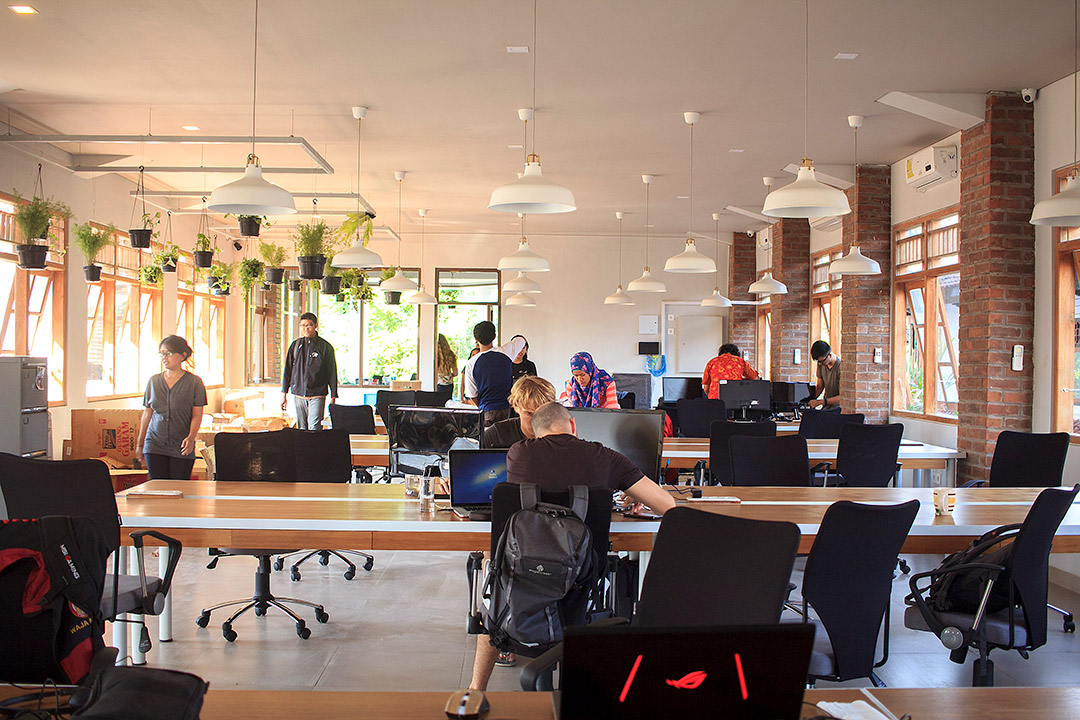
Livit
A Swiss/Danish startup hub Livit houses several tech startups including VR startup Labster (which has offices in Boston Copenhagen and Sanur). Labster is a leading maker of VR software for lab students and is currently co-creating a VR degree with Google.
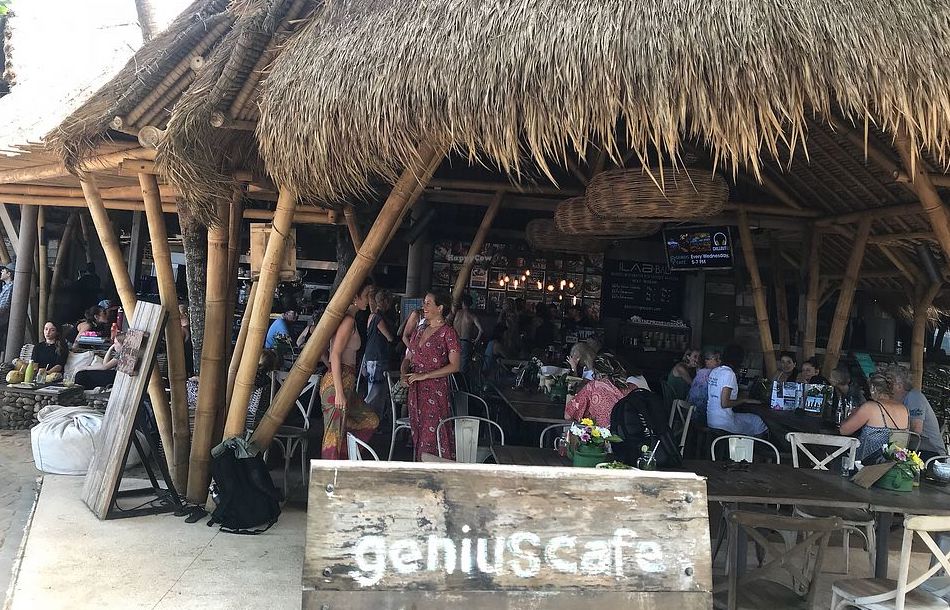
Genius Cafe
Founded by Roger Hamilton, a ‘Futurist’ and Social Entrepreneur, has a coworking cafe on the beach in East Bali.
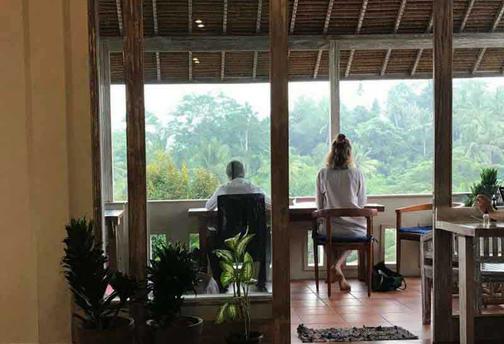
Outpost Ubud
Outpost has two locations. One in Ubud and one in Canggu. Both have access to a swimming pool. In Ubud you also get views out across a beautiful Balinese jungle.
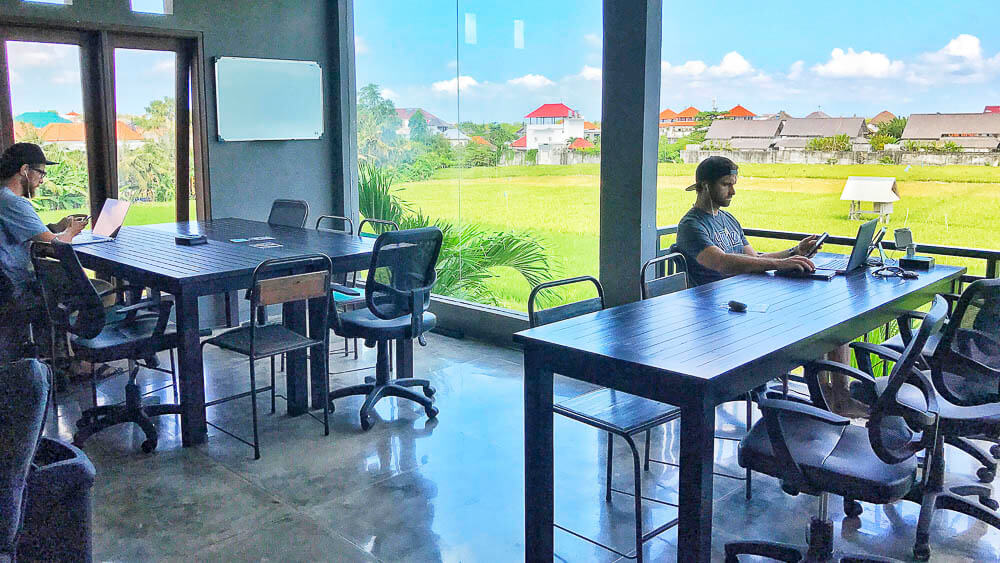
The District
Formerly c’ugh house, this co-working space has amazing views across rice paddies in Canggu.
Our Hopes & Expectations
Our Hopes
We hope you come out with a set of new skills at the end of our placement. We also hope you have the mindset to keep acquiring new skills and stay curious. The workplace of the future requires constant reinvention. Old rules and outdated beliefs will no longer apply.
Our Expectations
We expect you to take your work seriously. This means showing up consistently, working your agreed hours and delivering your projects. We also expect that you will communicate with us to let us know if you are having any problems.
You must have excellent communication skills to be on our programs. We expect to see you in our spaces every day during work hours. Our team will be there every day to meet you. If you are unable to attend you must contact us providing a valid reason for your failure to attend.
These dedicated spaces have reliable internet and charging points. You cannot work effectively and efficiently from cafes or your accommodation because of intermittent internet and power cuts and a lack of charging points. If you don’t come in, you will miss out on this amazing opportunity to connect with people from all over the world. The workshops, contacts and experience you get from the co-working spaces are invaluable.
Spaces like Hubud and Dojo are regularly voted among some of the best in the world and people fly thousands of miles to work from them.
When you work remotely – tools are your friends. You will all have your own Google Drive folder of resources. Please use it.
Daily/Weekly check-ins
- Our role is to help you get a great learning experience. We will be checking in with you every day and running longer weekly and mid programs to gauge your performance.
- We will be wanting to know how you are getting on. We’ll email you to set up a time. The check-in will cover what you’re enjoying, what you’re finding hard and how you are progressing through any course materials.
Working hours
- Most work regular working hours of around 9 until 6. Please communicate the agreed hours at the beginning of your placement so expectations are clearly defined.
Problems with your placement
- If there are problems, we need to know. We have access to a wide community of mentors and experts who can help, but we need to know.
- If there is a problem with your accommodation or anything at all please don’t hesitate to tell us.
Daily huddles
- We’ll be doing daily huddles/scrums whatever you want them every day at your local co-working space.

Our Policies
We take our policies very seriously so please read them carefully
We expect the highest standard of conduct from those on our program and we have policies that uphold our standards. Please ensure you’ve read and understood the policies mentioned here.
You’ll find our policies for the following:
- Recruitment – People interested in becoming participants of Start Me Up programs will be invited for an informal talk over the telephone with the appropriate contact person in the first instance.
- Induction and Training – All participants will take part in an induction and onboarding session delivered by a senior member of the in-country team.
- Support – Participants will be assigned a named contact person who will provide regular support during the program.
- Records – Stored details will include the registration form, references, placement details, crisis contact, correspondence and any other relevant information in accordance with Start Me Up Careers confidentiality policy.
- Insurance – All participants will need to purchase adequate travel insurance to cover them for the duration of their program.
- Health and Safety – Start Me Up take all reasonably practicable steps to ensure the participants’ health, safety and welfare.
- Tobacco products and e-cigarettes – Participants must comply with policies outlined by accommodation providers and co-working spaces.
- Alcohol– Program participants are expected not to consume alcohol during working hours. For health and safety reasons, drinking consumption outside of working hours should be limited and students should never permit themselves to become impaired in any way.
- Drugs – Drugs are illegal in Indonesia and dealing drugs is punishable by death. Start Me Up’s policy adheres to the law in Indonesia.
- Sexual Assault – It is the policy of Start Me Up to create and maintain an environment in which our participants can pursue personal, social, academic, cultural and interpersonal growth without fear of sexual exploitation, assault, or discrimination.
- Theft – In the event of any theft, participants must contact the Start Me Up country team as soon as possible informing them of the theft, a detailed description of the item and where it was last seen.
- Gross Misconduct – Gross misconduct is any action which places participants, staff, third parties or the general public at risk and/or that could bring Start Me Up into disrepute.
- Equal Opportunities – Interns and staff will work in accordance with Start Me Up’s equal opportunities policy and will prevent discrimination on any grounds.
- Religious Observances – It is Start Me Up’s policy to reasonably accommodate the religious observances, practices and beliefs of our participants in regard to scheduling workshops and meetings and requiring attendance on the program.
- Program attendance – Participants who are absent without an explanation will be required to meet with the country manager at the earliest opportunity.
- Dress code – Although we do not have a formal dress code, our participants must realize that they are representatives of Start Me Up and are asked to be sensitive to the local culture.
- Motorized Vehicles Policy – Any use of a motor vehicle beyond this is a potentially dangerous practice and so, to minimize the risk of major injury to our students, it is Start Me Up’s policy to enforce the motorized vehicle policies (see document).
- Complaints – Start Me Up endeavours to provide an exceptional service and experience for all participants. However, in the instance that we have fallen below expected standards participants have a right to raise grievances in line with our complaints policy.
- Disciplinary – All reports of potential violations of Start Me Up Policies and the Code of Conduct shall be referred to the country canager who will investigate the reports, confer with the head of operations and bring the charges against participants if there is reasonable cause to believe that they have violated the aforementioned.
Laws
Always obey the Indonesian law.
The following are prohibited from entry:
- Narcotics
- Psychotropics
- Explosive Materials
- Firearms and Ammunition
- Fireworks
- Defined Books and Printed Materials
- Endangered Species of Wild Fauna and
- Flora
- Food and Beverages Not Registered at the Department of Health
- Dangerous Materials
- Pesticides
- Ozone-Depleting Substances and Goods
- Containing Ozone-Depleting Substances
- Wastes
- Culturally Valuable Goods
- Large denominations of Rupiah in Cash
Penalties for drug offences are extremely harsh and include fines, imprisonment and the death penalty.
Some prescription medications are considered illegal narcotics in Indonesia, so if you require drugs including morphine, sleeping pills or medication for ADHD, double-check with the Indonesian embassy.
Indonesia has very strict rules about medications. Violation of them can land you in jail.
Some prescription medications (including strong painkillers such as morphine and codeine, sleeping pills and medications for ADHD) are considered illegal narcotics under Indonesian law. Other medications such as paracetamol, antidiarrhoeals and antibiotics won’t be a problem but if you’re at all concerned about your medication, check with the Indonesian embassy. For a fee, they can write you a Certified Letter of Approved Medicines; however, their website warns: “The letter is neither for legality purpose nor providing guarantee that you will be exempted from any checks and legal consequences that may arise.”
Tip: No matter where you travel, you should carry all medications (even vitamins) in their original packaging, along with their original prescription and a letter from your doctor explaining what the medications are (using generic names, what they’re for and dosage instructions.
Do not get drugs sent to you while you’re in Indonesia from abroad. The importing of substances which are controlled under Indonesian law can result in prison sentences (or worse).
The legal drinking age is 21.
Gambling is illegal in Indonesia.
Under Indonesian law, visitors must always carry identification on their person.
Keeping in Touch

Phones
We will provide you with a sim card, phone pin and credit when you arrive at the airport. You can top up your phone at any Minimart and most convenience stores around Bali. Just go to the counter and there will be a touchscreen. Ask the person at the counter if you can buy pulsa then select your pack. You will need to know your number to do this which you can get by typing the following number *808#.
Internet
You can top up your phone in most local stores or via the Telkomsel app.
Facebook groups
Facebook groups – join these. Great for getting recommendations, connecting with other people. You will only be admitted to the coworking space you’re a member of.
Dojo Community (they will only approve you once you begin your placement)
Hubudians (they will only approve you once you begin your placement)
Community forums (good for questions about things like where to buy specific things like contact lenses, etc).
Money & ATMs
- Rupiah has many zeroes. 100,000 rupiah is 7.50 dollars. 1 million rupiah is just $73.
- Most ATMs won’t let you take out more than 2 million rupiah in one go.
- Tell your bank before you go away.
- Be aware that incidences of card copying can be higher here than back home. Pay careful attention to your bank statements and try to use ATMs linked to bank branches.
- Avoid the ‘Goose’ ATM by Dojo in Canggu.
- Money changers – There can be a vast disparity in the rates offered by money changers. Ask us for recommendations.
- Use ATMs that are connected to banks, not the ones in mini-marts.

Getting Around in Bali
You won’t find registered taxi companies in Ubud like you have in other Balinese towns like Kuta, Seminyak, Denpasar and Lovina where you’ll see Bluebird taxis with meters. Hopping into a Grab or a GoJek car in front of a member of the ‘taxi mafia’ can get you into trouble.
Taxi drivers in Canggu and Ubud are territorial about their patches. Sometimes if you try to order a Grab, they will cancel their pickup repeatedly because they are intimidated by the local drivers.
You’ll probably get stopped multiple times a day by drivers who want to give you a ride (or a hug!) In Ubud you don’t get recognizable cab firms – like you do in Kuta, Seminyak, etc. There are plenty of private transport guys hanging about waiting for business. Haggle for rides around town.
Make sure your vehicle has working seatbelts before you commit to getting a ride.
Canggu taxis
- BlueBird Taxis +62 361 701 111
- Canggu Taxi (available 24/7) +62 85 1008 99990
- Berawa Transport +62 361 844 6314, +62 812 390 20500
- Canggu Beach Transport + 62 851 046 90 555
Ubud
- Dewa +62 878 6097 88 33
- Ketut (also rents scooters)
+62 813 3737 2254
GoJek – Like Uber but on a scooter.
Download GoJek for rides and food delivery. This service seems to work better in some areas, than others.
Water
Tap water in Bali isn’t safe to drink.
Stick to boiled or bottled water and ask for drinks without ice.
Ice is safe if it has a hole all the way through it.
Do drink lots of water – but don’t drink from the tap.
Drink bottled water, or better still top up a flask from a container of filtered water.

Health & Hospitals in Bali
There are pharmacies everywhere and many over the counter drugs are available. Please make a note of the chemical composition of any prescription drugs you are taking in case you need to purchase a generic version of it in Indonesia.
To carry medicines into Indonesia you must have a doctors letter or legible doctor’s prescription (Resip doktor) clearly describing patient name, dose, frequency of dose, and the correct name of the preparation.
Vaccine and health advice
- Periodic outbreaks of measles occur in Bali; make sure your measles vaccination is up-to-date.
- Rabies exists in Bali. Make sure to have a rabies vaccination and be careful around dogs and monkeys.
- Cases of mosquito-borne Zika virus have been reported in Indonesia. The Australian Department of Health recommends women who are pregnant or planning to become pregnant discuss their travel plans with a doctor.
- Dengue fever is a problem in Bali and according to Smart Traveller there’s been an increase in infection rates returning from the area in recent years. There’s no vaccination available. Use mosquito nets, apply a repellent that contains DEET and wear long sleeves and closed-toe shoes at dawn and dusk when mosquitoes are most active.
Clinics
- Toya Clinic (Ubud)
- Canggu Medical (Canggu)
- SOS Medical (has Rabies vaccine (5 million rupiah for a 5 shot course)
Hospitals
- BIMC
- Siloam
- Bali-Royal Hospital
For serious treatment, they will need to see your insurance details and may demand a returnable deposit on a credit card first. Please carry photocopies of your passport.
Bali belly
- Many of the restaurants here are run by people who were trained in western hygiene standards. This means food poisoning is relatively rare but not impossible. Use antibacterial hand gel if you are eating without cutlery.
Dengue
- Dengue Fever pops up during the rainy season so it’s a smart idea to wear repellent (50% DEET) whenever you venture outside, particularly in the twilight hours. Any fever higher than 39°C and longer than three days warrants a trip to the local clinic.
Typhoid
- Cases of Typhoid are rare, but do occur in Bali. Please make sure all your vaccinations are up-to-date before you travel.
Rabies
- Should you have the bad luck to be bitten by one of Bali’s street dogs, or a pesky monkey, you’ll require a series of rabies shots, though these cases are rare. If you are bitten please inform us immediately, contact your insurance company and get a taxi to your nearest clinic or hospital.
- BIMC. SOS Med and Toya Clinic in Ubud also have the vaccine and charge up to 5,000,000 rupiah for a course of 5 vaccines. In general avoid dogs as they aren’t domesticated.
Infections
- Cuts can easily get infected. If you cut yourself, clean the wound and cover it.
Tattoos
- We strongly urge against getting tattoos. Over 5 million people are infected with HIV in Indonesia and hygiene standards aren’t properly regulated.
Mould
- The humidity in Bali makes it an attractive place for mould to grow. Air your rooms when you can to get rid of mould. Beware of leaving things in cupboards where mould can build up.
Drugs
- Carrying drugs in Indonesia is punishable by death by firing squad. Many foreigners end up in awful Indonesian jails for possession of just a small quantity of drugs – hash or ecstasy. The police are always looking for a way to extract money from foreigners – don’t give them an excuse to extract money from you.
Dangers
Ants
- If you don’t want to be the victim of an ant invasion, don’t leave food out. Especially sweet food. Store food in the fridge and always wipe surfaces after handling food.
Earthquakes
- Indonesia experiences about four earthquakes a day and is home to around 400 volcanoes.
- In fact, it’s the most volcanically active country in the world. Bali has two volcanoes situated in the north and we occasionally experience tremors.
- These are rare in Bali but you should be prepared.
- Download apps like EarthQuake Alert, Earthquake, or Quakefeed.
- When you enter a building look around it for places that would be safe to go in the event of an earthquake.
- Buildings typically start to collapse after 15 seconds of earthquake activity.
- Leave the building as soon as possible.
- If you feel a quake, go outside away from roofs, trees – especially coconut trees.
- Be aware of overhead power lines, coconuts and falling roof tiles.
- Use your hands to cover your head.
- If you are in a car and you see Balinese people head to the road, head into an open space.
- If in doubt, copy the Balinese. They know what to do.
- Make sure your phone is fully charged and you have data. Log onto WhatsApp to stay up to date with warnings from us.
- Tell us where you are.
- Don’t go off by yourself.
- Keep an emergency bag by your door with a credit card and some essentials.
- Do not pack all your things in the event of an earthquake.
- Tsunamis Search online for Tsunami warnings (if you are by the ocean).
- The devastating 2004 Tsunami was 30 metres above sea level at its worst. The first waves hit within 15 minutes of the earthquake. The last about 2 hours after the quake.
Canggu
- Canggu is sheltered and so at a lower risk from tsunami damage. In the event of a Tsunami warning head in a northeasterly direction to a height of at least 60 metres.
Volcanoes
- Mount Agung is currently erupting in the north east of Bali.
- There is a 4km evacuation zone around the volcano.
- Do not enter the area under any circumstances.
- It could erupt violently at any time and you are at risk from fast moving mixtures of volcanic ash and water (as well as magmatic eruptions).
- Volcanic ash can cause breathing difficulties.
- If there is a significant eruption, turn off your air conditioning system and shut the door to prevent it getting into your room.
- Ash can also damage electrical goods so keep them in a sealed bag if there is ash around.
- Wear an N95 mask – we will provide you with one.
- Beware of going out in the rain if there has been an eruption as the mix of ash and rain can make your skin sting.
Snakes
- Snakes are rare but do pop up from time to time.
- One of the main Bali hospitals (BIMC) has antivenom.
- In the event of getting bitten by a snake, let a member of the Start Me Up team know and seek medical attention urgently.
- Generally, they are far more scared of you than you are of them.
- At least they should be, because FAR more snakes are killed by humans, than the other way around.
- If you see a snake in your accommodation, call us.
- You can also call Ron on rphlilley@yahoo.co.uk or call HP (+62) (0)813 3849 6700.
Monkeys
- Monkeys can be a nuisance so beware.
- Keep plastic away – even the faintest rustle of plastic and they may try to get inside your bag, steal sunglasses, etc.
- Avoid taking food into the monkey forest and buying bananas to feed them.
- You will get ambushed by a big monkey and they are surprisingly powerful.
Tom Cat Bites
- This beetle can leave bites that are extremely itchy and painful.
- Do not touch them.
- Locals burn them with a lighter if they see them inside.
Scooters
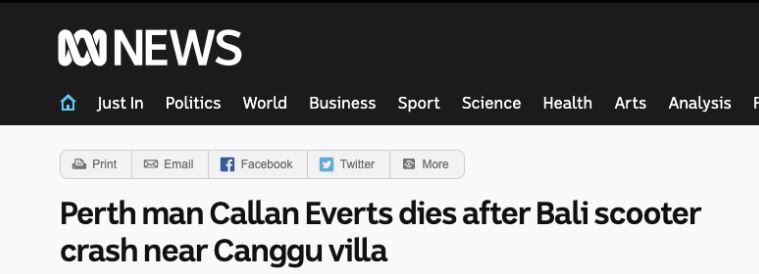
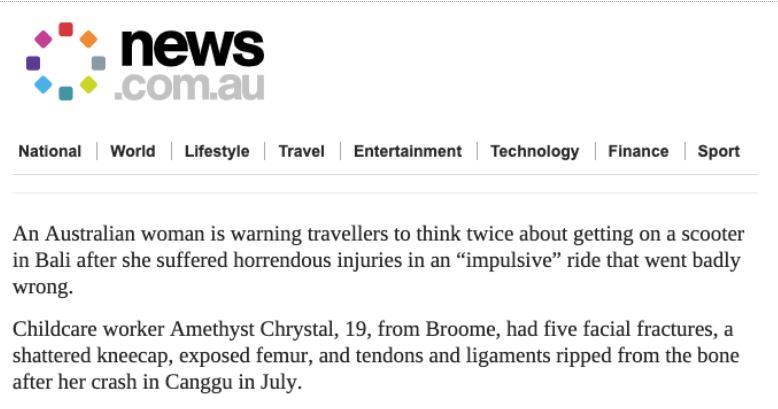
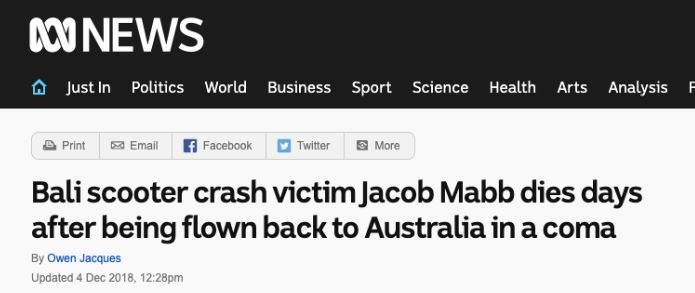
- There’s no doubt. The biggest danger you will face in Bali is from riding a scooter.
- In 2015 a total of 1,492 traffic accidents occurred across Bali. In these accidents, 504 people died, 254 people suffered severe injuries and 1,890 people suffered minor injuries.
- We do not allow the use of scooters for people on our programs.
- We do not recommend the use of motor scooter transport.
- Every week we are hearing about some horrendous accident on a scooter involving a tourist.
- Often it’s from drunk tourists riding around without helmets and at stupidly fast speeds. This is an incredibly dumb and irresponsible thing to do.
- Many scooters do not have insurance and do not qualify as being roadworthy.
Scooter Muggings
- There are occasional muggings.
- If you find yourself having to take a scooter taxi you must keep valuables out of sight.
- Keep bags/handbags out of view if you are riding on a scooter.
- Either store them under the scooter seat or by your feet in the footwell.
- Also be aware that there have been instances of sexual assaults on scooters.
- If riding on a scooter taxi cover up on scooters.
- If you don’t you’ll sustain far worse injuries if you come off your bike if your skin is exposed.
- Most Balinese riders wear clothing that cover their arms and legs.
Dogs + scooters
- The combination of stray dogs and scooters is even more dangerous – especially at night.
Night Safety
- As with any new place, be careful at night. Don’t put yourself in a situation that could leave you vulnerable or carry around large quantities of cash.
- You can securely store your laptop in a locker at your coworking space if you’re concerned about keeping your possessions safe.
- If we hear reports of reckless and irresponsible scooter riding, we’ll be forced to remove you from the program. Your safety is our priority.
Drink Spiking
- We have heard reports of drink spiking at Old Man’s in Canggu as well as at big Kuta nightclubs like SkyGarden.
- Be careful about drinking in these nightspots.
- Men and women can be a target and are often drugged and mugged at SkyGarden.
- Do not leave drinks unattended or out of site.
Gas stations
- There are normal gas stations but you can often find gas for sale by the side of the road in vodka bottles – of course. DO NOT DRINK.
Waves
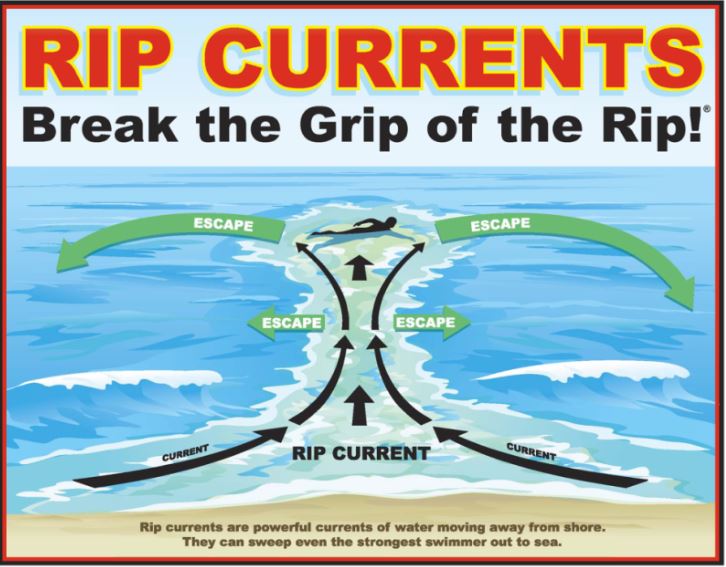
- Beware of strong waves/rip currents.
- Countless tourists die every year in the oceans.
- The currents and waves can be surprisingly strong.
- Respect the waves.
- Heed warnings about safe areas to swim and do not go in the water if you’re not a strong swimmer.
Toilet paper
- As a general rule, please don’t flush toilet paper down the toilet. Please put it in the bin in your bathroom.
Fire
In the event of a fire, follow the protocol below:
1. Drop to hands and knees and crawl towards the nearest exit.
2. Stay low, smoke will rise to ceiling level first.
3. Hold your breath as much as possible; Breathe through your nose; and use a filter such as a shirt, towel or handkerchief.
Police in Bali
- The police here are not like your police back home and the legal system here is unlikely to bear much resemblance to the legal system you’re acquainted with.
- The Indonesian police force is well known for being corrupt, many flag down tourists and attempt to get money from them for spurious reasons. So beware.
- Don’t carry around large denominations of cash. If you are going out with your cash, carry smaller amounts in side pockets.
- In the event that you are stopped and asked for a bribe, you can say “This is all I have”.
- If they see a wad of pink notes, there’s a good chance they will want more.
- Common things people get stopped for:
- Not wearing a helmet while riding on a scooter.
- Not having an international drivers’ license.
Terrorism
- Small-scale attacks occur on a regular basis and further incidents are likely.
- Attacks could be indiscriminate, including in places frequented by foreigners.
- Beach resorts, bars and restaurants, hotels, markets, shopping malls hosting major international brand outlets, tourist attractions, places of worship, foreign embassies, polling stations, ferry terminals and airports are all potential targets.
- Indonesian government, law enforcement interests and places of worship are regularly targeted by extremists.
- Western interests are also at risk.
- Be vigilant and take care at all times.
- You should regularly review your security arrangements and be particularly vigilant during holiday periods including the Christmas and New Year period, Chinese New Year, Nyepi (Balinese New Year), Easter, Ramadan, local elections and Independence Day (17 August) which can be a time of heightened tension and increased risk.
NON-dangers
Gekkos
- Completely harmless, these gekkos are your friends. They eat annoying mosquitos and are only mildly irritating when they croak at night to attract a friend.
What to Wear & Laundry in Bali

- While it’s important to dress conservatively in other parts of the country, on beachy Bali visitors can be more relaxed.
- However, if you’re heading into villages and temples, respect the local culture and cover up shoulders, décolletage and bare legs.
- Pack plenty of light, breathable layers and sturdy sandals for walking on uneven roads.
Laundry
- Don’t take anything you really love to the laundry because they don’t always return the way you remembered them.
- There are local laundry places every couple of minutes.
- Ask your accommodation for recommendations.
Visas & Immigration
- Immigration laws here can be confusing and ambiguous in Indonesia.
- Generally, it’s easier to tell a curious Indonesian that you’re on a holiday.

Fun Things to Do in Bali
Events
Dojo
- http://www.dojobali.org/en/events
- Events most days at 5pm-5/30pm
- Social dinners every Monday
- New members’ breakfast every Tuesday
- Developer meetup every Tuesday
- Raucous BBQs once a month on a Friday
- RSVP rsvp@dojobali.org
Outpost
- https://www.outpost-asia.com/events/
Hubud
- Events on Tuesdays, Wednesdays and Thursdays
- New Members brunch at Hubud most Wednesdays
- Monthly trips to Green School
Genius Cafe, Sanur
- Events most days
- Socials on Fridays

Things To Do
Canggu (and the south)
Canggu is a sprawling area that requires some kind of wheels to navigate.
Echo beach club
Eat fresh barbequed fish while you get splashed by the waves.
Monsieur Spoon
Amazing french breakfasts and fine coffee from this Bali-based (french owned) chain.
Crate
For amazing breakfasts and people watching head to Crate.
Love Anchor
Indoor market selling clothes and souvenirs in the heart of Canggu.
Betelnut
One of the original cafes in Canggu, Betelnut has a big menu of breakfast and lunch options.
Shady Shack
From smoothie bowls to all manner of avocado-related plates, Shady Shack is a popular choice with long term Canggu residents and visitors.
Cafe Vida
Amazing organic food, turbo-charged coffees.
The Practise
A beautiful bamboo yoga studio just a short hop from the beach.
Tanah Lot
Is the stunning, picturesque temple that you see on all the postcards of Bali, it gets crowded during sunset and very hot during the day, so be sure to arrive early.
Tampak Siring
Or Tirta Empul water temple is a holy spring temple where they also perform purification rituals.
Seminyak
Check out the high-end clubs, chic boutiques and stylish accommodation; KuDeTa, Potato Head, LaFavela and W bar.
Drinks will cost a bit more than the regular spots in Bali.
Ubud
Ubud market
You can find anything there from paintings to spices to clothing and food. Even though many tourists flock there during the day, the market has the most charm in the early morning when you will only find locals selling their goods.
Campuhan Ridge Walk
Start your walk at the Campuhan River, next to Ibah hotel. The 2 hour trek will take you through several villages and some of the most picturesque locations in the region.
Monkey Forest
Monkeys are sacred Hindu animals that will pick your pockets faster than you can shout, “banana bandit!” Still, everyone who comes to Ubud loves the cool, mossy Monkey Forest to get up close and personal with these charming little thieves.
Cranes of Petulu
Travel just north of Ubud to the village of Petulu in Tegallalang to witness a strange natural phenomenon. Thousands of white herons arrive here at around 6PM to roost for the night, before flying off again each morning.
Goa Gajah
This elephant temple, without an elephant in sight, has an amazing jungle in the back with a river where you can swim and unleash the Tarzan within! Be sure you wear a sarong or something to cover your knees and shoulders to visit the temple, you can also rent clothing there if you don’t have anything with you.
Balinese Dance Performances
One of the most vibrant elements of Balinese culture is the traditional dance. Dramatic and dazzling, you’ll meet heroic princes, demure maidens and roaring Hindu Gods, all bedecked in fabulous glittering costumes. Ubud palace offers regular shows and for those who like it hot, Pura Dalem includes fire dancing on the program
Boreh Pijat
Traditional Balinese Healing massage, sauna and reflexology. Many of our members say it’s ‘amazing for the mind and body’ and Ketut, the founder of Boreh Pijat explains the definition of the name; “Boreh is the energy of life. ‘Bo’ in Balinese means ‘ready’. ‘Reh’ comes from the Balinese word for blood, ‘rah. So Boreh treatments bring your blood to life. Your blood is alive and your body is moving.”
Paradiso
Ubud’s own cozy cinema with a wide variety of movies ranging from documentaries to blockbusters. Sit down on one of their beanbags or lounge on a couch in full comfort and enjoy one of the delicious meals which can be bought by refunding your entrance ticket. They show two movies a day and it’s great for the rainy season.


Awesome Sights a Bit Further Afield
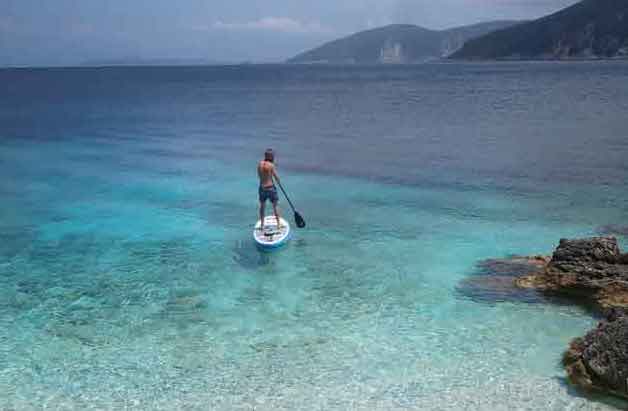
Bali is a small Island which means that everything is relatively close. If you are planning on staying longer then these are some places we strongly recommend.
Amed Beach
Enjoy the tranquil fishing villages and beautiful black sand beaches, the lagoons also offer amazing snorkeling options.
Sanur
If you’re into watersports such as jet skiing, parasailing or just want to chill out at a beach resort, Sanur is a great spot.
Medewi Beach
One of the best surfing spots in Bali and the best place to watch amazing surfing competitions.
Tulamben
A popular diving spot because of the shipwreck of a US army transport ship which was torpedoed down by a Japanese submarine just off shore.
Menjangan
A small island surrounded by unspoiled white beaches and beautiful (underwater) nature. Menjangan means ‘deer’ it’s in Bali’s National Park and a great diving spot.
Uluwatu
Check out the Kecak dancers at the temple around sunset, the show is spectacular and there are awesome beaches such as Dreamland Beach which has the best view from the cliffs. There’s also great food, a professional surf spot and frequent parties happening. We think Uluwatu has almost everything. Check out Single Fin and Rock bar for a magical sunset view and great food and drinks.
Gunung Agung
When not active (it’s currently the subject of an evacuation order from the local authorities owing to the ongoing volcano eruption), it’s a challenging climb which starts at the Besakih Temple or the Pasar Agung Temple. After a difficult climb which often starts at midnight you will be rewarded with the most amazing sunrise of your life. You will be able to see Mount Rinjani in Lombok and Bromo in Java and the whole of Bali if the weather allows it.
Rafting
There are several rivers in Bali where you can go rafting, often whole packages including lunch and transport, ask how challenging the river is before you book because there are big differences.
Jatiluwih Rice Terraces
These are said to be the most beautiful rice terraces in the world. The paddies and the many water temples around became a UNESCO world heritage spot and you’ll be able to see why.
Lovina Beach
A quiet and lovely town which is popular for its dolphins, you can go and find them at sea with a rented boat or find a hotel which offers tours where you can swim with dolphins.
Nusa Lembongan/Nusa Ceningan
See some Giant Manta Rays and scoot across the bridge that joins the two islands together.
Restaurants, Coffee Places and Warungs in Ubud
Ubud has the best variety of food in Bali. Whether you’re vegan, or you’re allergic to almost everything, there’s a place for you to in Ubud.
When it comes to food budgets, there’s also something for everyone. You can get a hearty meal for less than a dollar or you can splurge on fine dining.
We asked all kinds of people for their recommendations. Our health-freak friends, the locals, our low-budget friends and the people who have lived and eaten in Ubud for many years. Check out this little lot:
Bars and Coffee Places
Copper Kitchen & bar
(Jl. Bisma)
A cozy, intimate atmosphere. This bar has friendly staff and the food and drinks are very, very good.
Seniman
(Jl. Sriwedari)
Aside from the fantastic atmosphere, these guys turn a ‘cup of Joe’ into a science.
+62 361 972 085
www.senimancoffee.com
Yellow Flower Cafe
(Campuhan Steps, Penestanan)
Located in one of the prettiest backstreets of Ubud, you won’t want to rush this visit; it’s a spot made for lingering.
+62 361 889 9865
Juice Ja Cafe
(Jl. Dewi Sita)
High-quality juices you’ll definitely choose again over the sweet treats that litter the island.
+62 361 971 056
Flabird Coffee
(Jl. Dewi Sita)
In-store coffee grinding and daily roasting mean this place has great coffee specials for only $1. You can get anything from local Coffee Luwak to several delicious flavoured types.
Restaurants
There are enough restaurants to satisfy any foodie. Check out our selection:
Pica
(Jl. Dewi Sita)
Yummy South American food, if you enjoy food with your eyes as much as your tongue, this is a place for you.
Apps to Download
- Download Findme App (or similar).
- Download GoJek App – This amazing service was born in Indonesia and allows you to order lifts, food, drinks and pretty much everything by scooter taxi.
- Download QuakeFeed – Bali isn’t directly on an earthquake fault line but Indonesia experiences about four earthquakes a day and is home to around 400 volcanoes. In fact, it’s the most volcanically active country in the world. Bali has two volcanoes situated in the north and we occasionally experience tremors.
- BMKG App for local earthquakes and tsunami warnings.
- Enable push notifications.
- Download the Slack App on your phone.
- Companies big and small use Slack to communicate and work together. But it’s particularly popular with many remote companies.
- First Aid (by the Red Cross)
- DuoLingo

Recommended Reading

- Remote: Office not required – Remote is one of the first books I read when I got to Bali. This book explains how Basecamp grew its business with an entirely distributed team. Many have since followed suit.
- From Zero to One – From Zero to One: Notes on Startups, or How to Build the Future by Peter Thiel is a great book on startups that’s stuffed full of insights.
- The Four Hour WorkWeek, Tim Ferris – Tim is not everyone’s cup of tea but his book, The Four Hour Work Week has been extremely influential to many people here. Before arriving in Bali, I’d never heard of it. Now it’s hard to find someone here who hasn’t read it.
- The Lean Startup – Eric Ries wrote one of the defining startup books. Lean startup methodology is ubiquitous: Launch first then iterate. Don’t strive for perfection. Strive to iterate from customer feedback as quickly as possible.
- Indonesia Etc.:Exploring the Improbable Nation is an amazing book on Indonesia by former Reuters journalist turned HIV policy wonk, Elizabeth Pisani.
Handy Phrases
- Selamat Pagi = Good morning
- Terima Kasiah = Thank you
- Apa kabar = How are you?
- Baik = Good (normally in response to apa kabar)
- Selamat Pagi = Good Morning (spoken from sunrise until about 11 AM)
- Selamat Siang = Good Afternoon (Spoken in the middle of the day (11 AM to 2 PM) when the sun is at its brightest)
- Selamat Sore = Good Afternoon (Spoken from 2 PM until sunset)
- Selamat Malam = Good Evening (Spoken at night only)
- Selamat Tidur = Good Night (Spoken to someone going to sleep)
- Selamat Datang = Welcome
- Selamat Tinggal = Goodbye. This is spoken when sending a long farewell to a person being left behind. In this case, the person departing expresses these words to the person staying behind. In Indonesian, tinggal means to “live” or “stay”.
- Selamat Jalan = Goodbye. This is spoken when sending a long farewell to a person leaving. In this case, the person staying behind expresses these words to the person departing. In Indonesian, jalan means to “travel” or “go”
- Sampai jumpa = See you later (Spoken to someone who will return shortly)
- Terima Kasih = Thank You
- Nanti = Later (Spoken to someone you will meet later that same day)
- Halo = Hello Spoken most often when answering the phone. It has the same informal meaning as English.
- Hai = Hi Spoken informally around young people and has the same meaning in English. It can also mean “yes”.
- Warung = Restaurant

